
Patta Chitta (TN) Update After Land Lease: 7 Easy Steps 2026
When leasing land, many people assume that the Patta Chitta will automatically be updated to reflect the lease arrangement. However, this is not the case. Patta Chitta, which records land ownership, does not typically change simply because the land is leased out.
The key point to remember is that Patta Chitta is tied to land ownership, and leasing the land grants usage rights, not ownership. This guide will explain when and how Patta Chitta can be updated in the context of land leases, and how to handle issues related to leased land and land records.
What Is a Land Lease?
A land lease is a legal agreement where the landowner (lessor) allows another party (lessee) to use the land for a specified period. The tenant (lessee) has the right to use and manage the land, but ownership remains with the original landowner.
Usage Rights: The lessee is allowed to use the land, but the right to sell or transfer ownership remains with the landowner.Duration: Leases can be short-term or long-term, typically ranging from a few years to several decades.
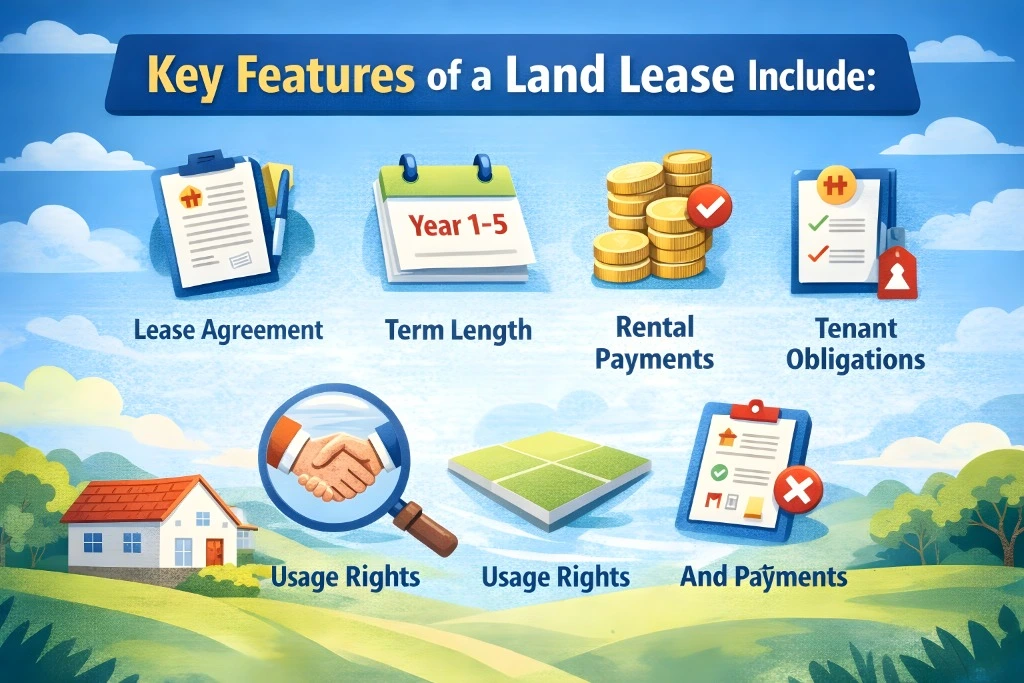
It’s crucial to understand that, while a lease grants land usage rights, it does not affect the land’s ownership. Therefore, the Patta Chitta, which reflects ownership, will typically remain under the landowner’s name unless there is a provision for ownership transfer in the lease agreement.
Does a Lease Change Patta Chitta?
In most cases, Patta Chitta does not get updated due to a land lease. The Patta Chitta remains in the name of the landowner because a lease does not involve the transfer of ownership rights. A lease only grants usage rights to the tenant and does not affect the ownership status of the land, which is why the Patta Chitta remains unchanged.However, there are specific instances when Patta Chitta might be updated in the context of a land lease.
When Can Patta Chitta Be Updated in the Context of Land Leases?
Although a regular lease does not affect the Patta Chitta, there are scenarios where an update can occur.
In a lease-cum-sale agreement, the lease includes a clause for ownership transfer after a certain period or upon fulfilling certain conditions. This arrangement allows the lessee to become the owner of the property after the agreed-upon time or after specific terms are met. In this case, the Patta Chitta will need to be updated to reflect the change in ownership.
Steps for Updating Patta Chitta in Lease-Cum-Sale:
Apply for Mutation: Once ownership is transferred through a lease-cum-sale agreement, the lessee must apply for mutation (an official process that updates land records).
Submit Required Documents: Documents like the Sale Deed, mutation application, and other relevant papers must be submitted to the Revenue Department.
Revenue Authorities Review: The Revenue authorities will verify the documents and, upon approval, update the Patta Chitta to reflect the new ownership.
2. Sale of Land
If the leased land is later sold by the landowner to someone else, the Patta Chitta will be updated to reflect the new owner’s name. In this case, the landowner’s name will be replaced by that of the new owner.
Steps for Updating Patta Chitta After Sale:
Register the Sale Deed: The Sale Deed must be executed and registered.
Apply for Mutation: After the sale, the new owner must file for mutation at the relevant authorities.
Update the Patta Chitta: The new Patta will be issued in the name of the buyer once the mutation process is completed.
Why Does a Lease Not Automatically Update Patta Chitta?
Patta Chitta is tied to ownership, not usage rights.Stay updated on Collateral updates, documentation requirements, and key property-related changes.
Here’s why a lease doesn’t automatically update the Patta Chitta:
The Patta Chitta reflects the ownership of land, while a lease grants only the usage rights. Even though the tenant (lessee) can use the land, the landowner (lessor) remains the legal owner. Because of this, Patta Chitta remains in the owner’s name until ownership is transferred.
Ownership provides the right to sell, transfer, and mortgage the property. A lease, on the other hand, only provides usage rights and does not alter the owner’s legal title. The Patta Chitta will not be updated unless there’s an official transfer of ownership.
Common Mistakes to Avoid Regarding Patta Chitta and Leases
There are several mistakes that property owners and tenants can make when dealing with land leases and Patta Chitta:
1. Assuming Lease Automatically Updates Patta
One of the most common misconceptions is assuming that a lease agreement automatically leads to an update in the Patta Chitta. It’s important to understand that leasing land only provides usage rights and does not affect land ownership. To update the Patta, ownership transfer must occur, such as in a lease-cum-sale agreement.
2. Not Registering Leases
Another mistake is failing to register the lease agreement. Unregistered leases can cause future legal issues, as they are not legally binding in case of disputes. Always ensure that your lease agreement is properly registered with the appropriate authorities.
3. Failing to Update Patta After Sale
If the leased land is later sold, it’s essential to ensure that the Patta Chitta is updated to reflect the new owner’s name. Failing to update the Patta after the sale can lead to problems during land registration, property transactions, and loan applications.
Ignoring Patta Update After Sale: After selling leased land, failing to update Patta Chitta can create issues in future transactions and legal ownership proof.
Lack of Proper Documentation: Missing or incomplete documents can delay verification and create complications in legal processes.
Tips for Managing Patta Chitta and Leases
To ensure smooth management of Patta Chitta in the context of land leases, here are some practical tips:
Always register your lease agreement with the local authorities to ensure that it’s legally binding. A registered lease clarifies the terms of the lease, including land usage, lease duration, and renewal conditions.
In many states, you can check the Patta Chitta status online. This will help you stay updated on the current land records and make sure that everything is in order. Regular checks will allow you to catch any discrepancies early.
If you’re unsure about the Patta Chitta process or how a lease impacts land records, consult with a property lawyer or revenue official. They can provide guidance on how to manage land records and ensure that all legal procedures are followed correctly.
Updating Patta After Lease Transfer
In some cases, a lease agreement may include provisions for an ownership transfer. If this happens, here’s how you can update the Patta Chitta:
1. Lease-Cum-Sale: Apply for Mutation
If the lease agreement includes a sale clause, once the ownership is transferred, apply for mutation to officially change the landowner in the records.
2. Provide Necessary Documents
Submit documents such as the Sale Deed, mutation application, and proof of ownership to the Revenue Department.
3. Approval by Authorities
The authorities will review the documents and, if everything is in order, they will update the Patta Chitta in the new owner’s name.
Lease and Inheritance
Tenancy Does Not Transfer Ownership
A land lease, even if it extends over many years, does not transfer ownership. In case of tenancy termination or the tenant’s death, the ownership still remains with the landowner, unless there is a formal transfer of ownership (e.g., through inheritance or a sale).

In such situations, the Patta Chitta remains with the original landowner, and the tenant’s lease rights are terminated unless otherwise stated in the agreement.
FAQs
Final Words:
Leases and ownership transfers are important events in the life of land property. Ensuring that these processes are handled legally will help you avoid complications, disputes, and delays, ensuring smoother dealings for you and your tenants in the future.


